How Grocery Stores Can Build a Strong Greek Food Section
Greek food continues to earn a bigger place in today’s grocery environment because it delivers what modern shoppers are looking for: bold flavor, recognizable ingredients, heritage-driven recipes, and a connection to the Mediterranean way of eating. For grocery stores, that creates an opportunity. A well-built Greek food section can help a store stand out, attract loyal repeat customers, and increase basket size with products that feel both traditional and elevated.
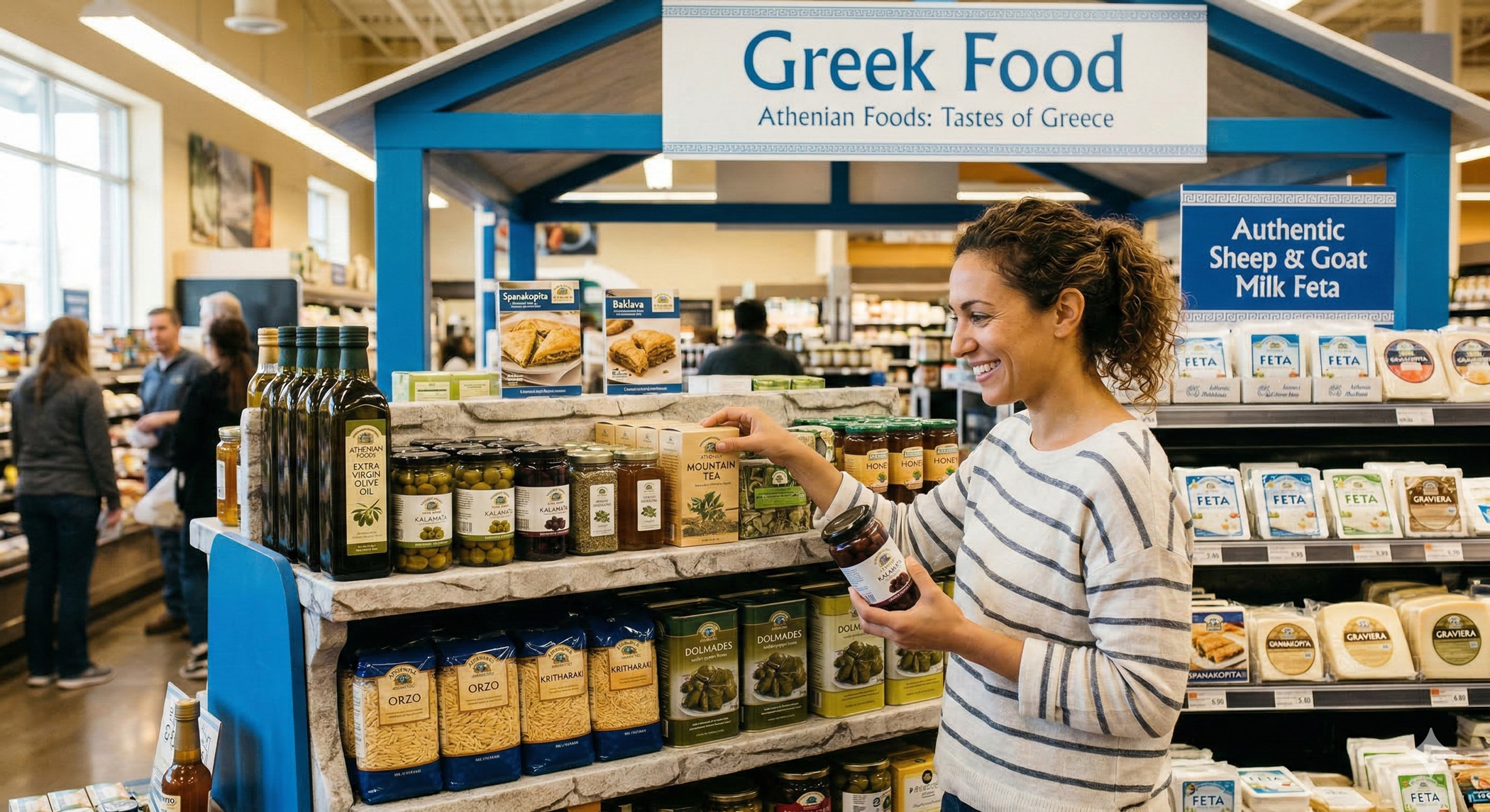
For retailers, success does not come from putting a few random imported items on a shelf and calling it “international.” A strong Greek food section should feel intentional. It should be easy to shop, visually cohesive, and built around products customers actually know how to use. That means balancing staples, prepared foods, specialty items, and merchandising that inspires confidence.
At Athenian Foods, this is exactly the kind of retail support Greek food buyers can build from. The company has been family-owned since 1969 and offers a mix of handmade Greek specialties, exclusive imports, and imported Mediterranean essentials designed to help stores create a more complete and authentic section.
Start With the Core Greek Staples
The strongest Greek food sections begin with the foundational products shoppers expect to see. These are the items that create familiarity and give customers an easy entry point into the category.
A solid Greek set should usually begin with:
- Olive oil
- Olives
- Feta & Greek cheeses
- Phyllo-based specialties
- Honey
- Dry goods & pantry
- Baklava & desserts
- Frozen & prepared meals
- Soups & Mediterranean sides
These products work because they appeal to more than one kind of shopper. Some customers are specifically looking for Greek foods they grew up with. Others are simply browsing for healthier, more flavorful, globally inspired options. A strong section should satisfy both.
Athenian Foods structures its offering around three distinct product categories: products from its own kitchen, exclusive imports, and imported specialties. That kind of category logic is useful for retailers too, because it helps turn a scattered set of products into a section with depth and purpose.
Build Around Both Shelf-Stable and Prepared Foods
One of the biggest mistakes stores make is limiting Greek food to shelf-stable imports alone. Pantry items matter, but they do not tell the full story of the cuisine. Greek food is also highly experiential. Prepared items, frozen specialties, and ready-to-serve dishes help bring the category to life.
When shoppers see products like:
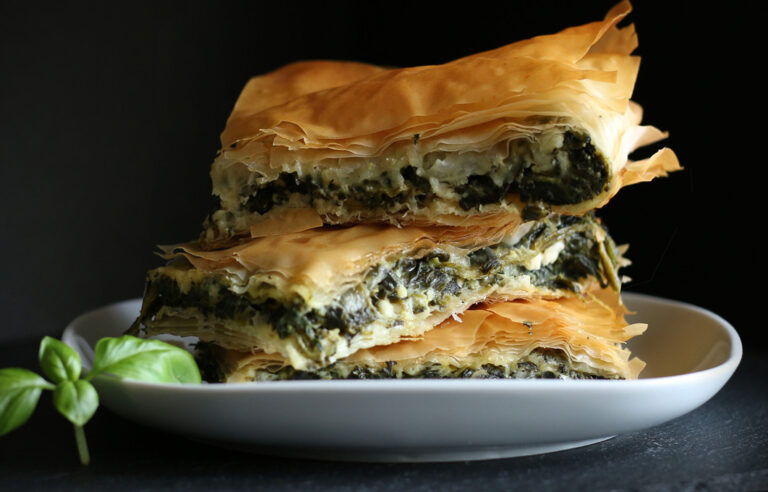
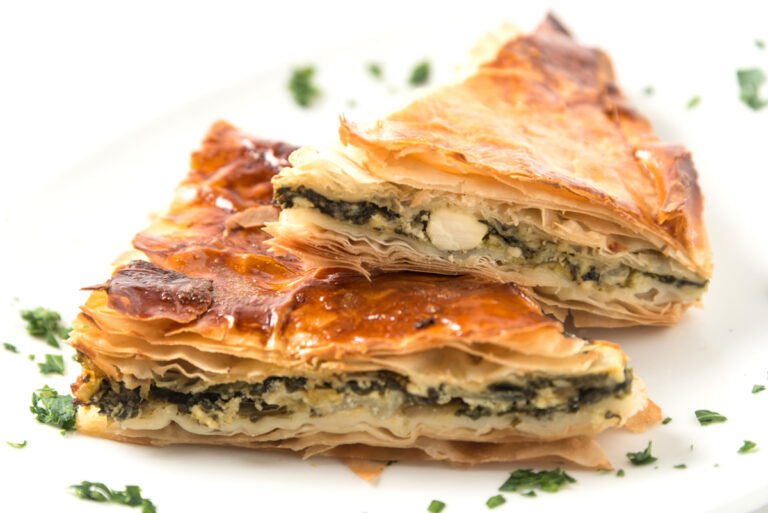
- Spanakopita
- Moussaka
- Pastitsio
- Avgolemono
- Lentil soup
- Baklava
- Cheese pies or boureki
…they begin to understand Greek food as a meal solution, not just a specialty aisle curiosity.
Prepared and frozen products are one of the most important parts of a successful Greek section — they move the category beyond pantry merchandising and into true meal-building.
Athenian Foods highlights handmade specialties such as spanakopita, moussaka, baklava, soups, pastitsio, and other kitchen-made items, giving retailers a way to move beyond pantry merchandising and into true meal-building.
Make the Section Easy to Shop
Customers are much more likely to buy Greek products when the section feels organized and approachable. Stores should think less like importers and more like merchants.
A strong Greek food section should be arranged in a way that answers simple shopping questions: What can I cook tonight? What can I serve for guests? What belongs together? What is a staple versus a specialty? What is good for snacking, entertaining, or gifting?
Instead of one mixed shelf, consider breaking the section into four intuitive zones:
-
01
Pantry Essentials
Olive oil, olives, honey, and imported shelf-stable items that anchor the section and give shoppers a familiar starting point.
-
02
Entertaining Favorites
Feta, spreads, dolmades, desserts, and specialty items that inspire hosting and gift-giving occasions.
-
03
Heat-and-Serve Classics
Frozen and prepared Greek meals that make the category a weeknight solution, not just a weekend discovery.
-
04
Bakery & Dessert
Baklava and other sweet offerings that serve as both impulse purchases and celebration staples.
This kind of layout helps shoppers discover more products in a single visit. It also increases the likelihood of multiple-item purchases because the section feels curated instead of random.
Use Signage That Educates Without Overwhelming
Not every shopper knows the difference between spanakopita and boureki, or avgolemono and lentil soup. Good signage removes friction.
In-store signage should do three things:
-
01
Explain what the item is.
A simple descriptor like “Traditional Greek spinach and feta pie in flaky phyllo” gives shoppers the context they need to feel confident.
-
02
Tell customers how to use it.
Serving suggestions, meal pairings, and occasion cues — entertaining, weeknight, brunch — help customers picture the product in their own life.
-
03
Reinforce why it is special.
Heritage, craftsmanship, old-world recipes, and authenticity are all differentiators that can live right on the shelf.
The goal is not to over-educate. It is to make customers feel comfortable enough to try something new. Athenian Foods emphasizes heritage, craftsmanship, and old-world recipes across its brand, and that same tone can be echoed in shelf talkers, freezer door decals, endcap headers, and recipe cards.
Cross-Merchandise for Better Sales
One of the best ways to grow a Greek section is to stop thinking of it as a standalone set. Greek food naturally connects to produce, deli, bakery, prepared foods, cheese, and entertaining displays.
- Olive oil near bread, feta, or olives
- Baklava near coffee, tea, or dessert trays
- Greek soups near deli or ready-meal messaging
- Mediterranean entertaining displays
- Seasonal Easter and holiday spreads
- Summer grilling tie-ins
Cross-merchandising helps customers imagine how products fit into real life. It also increases impulse buying because the products are shown in context.
Offer a Mix of Familiar and Premium Items
The best Greek food sections are not built only for experts. They are built for discovery. That means stores should carry a thoughtful blend of familiar entry-point products and premium specialty items.
Familiar products draw in a wider audience:
- Feta
- Olive oil
- Pita companions
- Soups
- Desserts
Premium or specialty items build excitement and credibility:
- Regional olive oils
- Exclusive imported honey
- Handmade phyllo specialties
- Holiday & entertaining items
- Authentic prepared dishes
- Traditional family recipes
Athenian Foods is especially well positioned for this type of mix because it combines housemade Greek specialties with imported and exclusive products, allowing retailers to build both breadth and authenticity within the same section.
Think Like a Category Builder, Not Just a Buyer
A grocery buyer who wants to strengthen the Greek category should think beyond single-SKU purchasing. The bigger opportunity is category building.
The real question isn’t “what products should we carry?” — it’s “does this section tell a complete story?” That shift in thinking is what separates a strong Greek destination from a forgettable shelf.
That means asking:
- Does this section tell a complete story?
- Are we serving loyalists and new shoppers?
- Do we have enough meal-based products?
- Are staples and ready-to-enjoy balanced?
- Do we have seasonal rotation opportunities?
- Can our supplier deliver consistently?
Athenian Foods positions itself not just as a product source, but as a complete Greek and Mediterranean solution for retail, supported by long-standing manufacturing and distribution capabilities. The company also notes food-safety credentials including FDA approval, HACCP certification, and regular third-party auditing — all important signals for retail buyers evaluating long-term partners.
Lean Into Authenticity
Authenticity matters in Greek food. Shoppers can tell when a section feels thoughtfully sourced versus when it feels generic. Authenticity shows up in product selection, packaging, naming, recipe heritage, and the overall voice of the category.
That does not mean every product needs a long story attached to it. It means the assortment should feel true to the cuisine. Authenticity can be reinforced by:
- Traditional product names with simple explanations
- Real Greek specialties, not Mediterranean-adjacent items
- Heritage recipe callouts
- Imported pantry essentials alongside prepared classics
- A supplier that specializes in the category
Athenian Foods builds its brand around exactly that idea, emphasizing handmade Greek specialties, imported products, and a family tradition dating back to 1969. For grocery stores, that kind of consistency helps create trust both with buyers and with end consumers.
Use Recipes and Meal Inspiration to Drive Movement
Many grocery customers will buy Greek products more often when they understand how to use them. Recipes are one of the easiest ways to increase sell-through.
Helpful recipe themes include:
- Weeknight Mediterranean dinners
- Greek appetizers for entertaining
- Easy soup-and-salad combos
- Dessert boards with baklava & honey
- Holiday spreads with Greek specialties
- Lunch ideas from prepared dishes
Even simple signage like “Serve with,” “Try this with,” or “Perfect for entertaining” can make a big difference. The more a store makes Greek food feel practical and enjoyable, the more repeat sales it earns.
Refresh the Set Seasonally
A great Greek section should not feel static. Seasonal refreshes give customers a reason to come back and explore.
Strong seasonal opportunities include:
- Lent and Easter
- Spring entertaining
- Summer grilling & outdoor dining
- Back-to-school meal shortcuts
- Holiday dessert displays
- Holiday appetizer spreads
Because Greek cuisine spans pantry goods, prepared foods, bakery, and specialty imports, stores can keep the section fresh throughout the year with rotating highlights and themed merchandising.
The Opportunity for Grocery Retailers
Greek food offers something many categories cannot: authenticity, versatility, premium appeal, and mainstream accessibility all at once. For retailers, that makes it a valuable section to invest in.
A strong Greek food section should:
- Begin with core staples
- Include meal solutions
- Be easy to shop
- Educate the customer
- Encourage cross-merchandising
- Balance familiar and premium
- Reflect authentic heritage
- Evolve seasonally
When done right, a Greek food section becomes more than a niche set. It becomes a destination within the store.
For grocery buyers looking to build that kind of destination, Athenian Foods offers a compelling foundation: authentic Greek manufacturing and distribution, family-owned experience since 1969, and a product mix that helps retailers create a fuller, stronger, more shopable Greek food program.
Build Your Greek Food Destination
Athenian Foods has been crafting and importing authentic Greek specialties since 1969. Partner with us to build a stronger, more complete Greek food section for your store.
Explore Our Products