
Why Grocery Stores Should Stock Authentic Greek Foods
Why Grocery Stores Should Stock
Authentic Greek Foods
From traditional Greek favorites to premium Mediterranean imports, discover how an authentic specialty food selection can help grocery retailers attract customers, differentiate their stores, and create new sales opportunities.
Walk through almost any modern grocery store, and you’ll notice something important: shoppers are looking for more than the same familiar products they’ve purchased for years.
They want variety. They want quality. They want convenient meal solutions. And increasingly, they want to discover authentic foods and flavors from different parts of the world.
For grocery retailers, that creates an opportunity.
Authentic Greek and Mediterranean foods can help stores expand their assortments, create exciting new shopping experiences, and build stronger relationships with customers.
From handmade Spanakopita and traditional Baklava to imported olive oils, olives, honey, and prepared Mediterranean meals, Greek foods offer an appealing combination of tradition, quality, and versatility.
Here’s why they deserve consideration in today’s grocery marketplace.
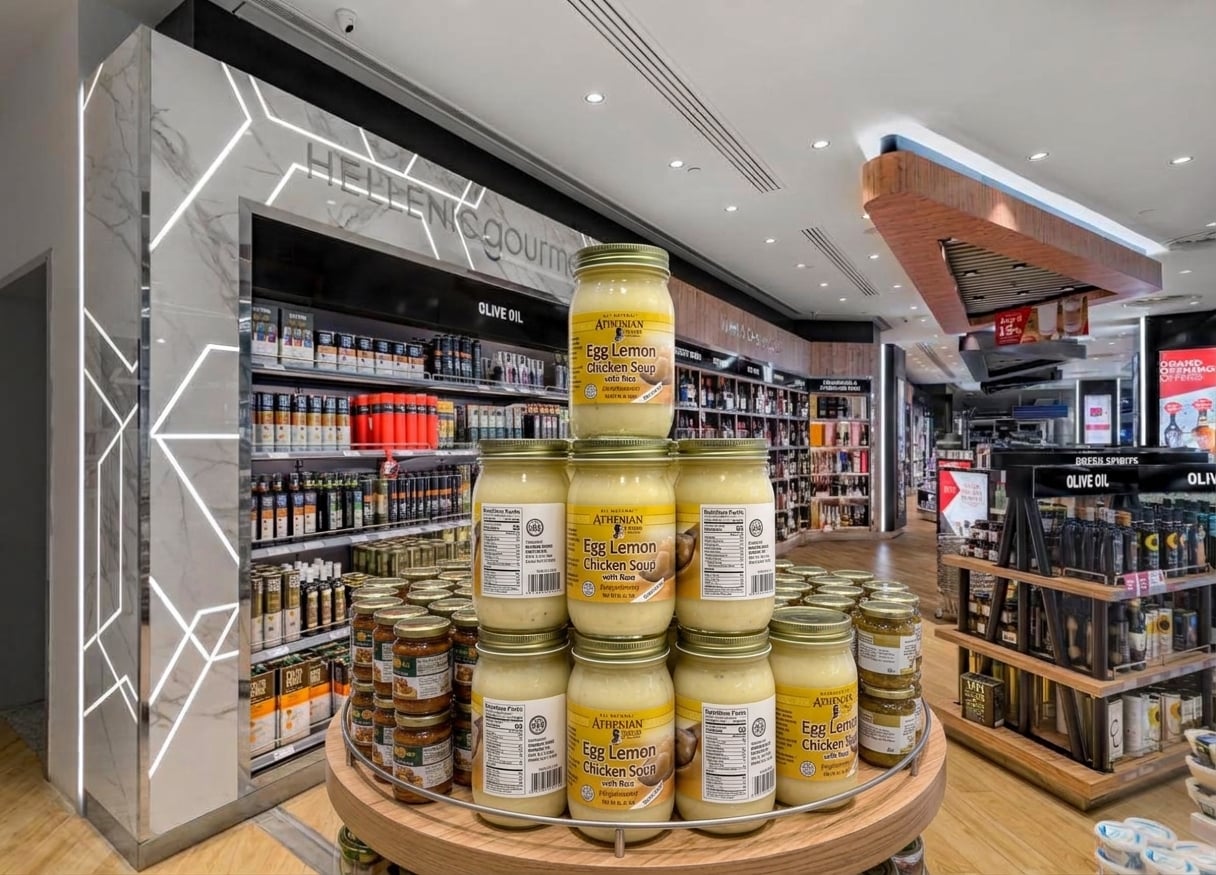
1. Mediterranean Cuisine Appeals to a Wide Range of Shoppers
Greek cuisine has something for almost everyone.
Customers familiar with traditional Mediterranean cooking appreciate authentic flavors and ingredients. Adventurous shoppers enjoy discovering new products. Busy families welcome prepared foods that make mealtime easier.
Meanwhile, consumers interested in Mediterranean-style eating often seek ingredients such as olive oil, legumes, vegetables, herbs, and whole grains.
This creates opportunities across several departments, including:
- Frozen foods and prepared meals
- Deli and refrigerated specialties
- Bakery and desserts
- Olive oils, olives, and pantry essentials
- Imported and international foods
- Specialty appetizers and entertaining products
Rather than viewing Greek food as a small, isolated category, grocery buyers can recognize its potential across the store.
The key is selecting products that combine authentic flavor with the quality, convenience, and presentation customers expect.
2. Authenticity Helps Differentiate Your Store
In a competitive grocery market, carrying products that shoppers can’t easily find everywhere else can give customers another reason to visit.
Authentic Greek foods provide that opportunity.
Traditional dishes such as Spanakopita, Mousaka, Pastitsio, and Baklava represent generations of Greek culinary tradition. These foods offer flavors, textures, and preparation methods that stand apart from conventional packaged offerings.
For shoppers who grew up enjoying Greek cuisine, authentic products can provide a welcome taste of home.
For shoppers unfamiliar with these dishes, they offer an invitation to discover something new.
The distinction matters.
A thoughtfully selected assortment of authentic Greek specialties communicates that your store values quality, variety, and cultural food traditions.
And those qualities can help make a grocery department more memorable.
3. Convenient Greek Foods Meet Everyday Meal Needs
One of the biggest opportunities for grocery retailers is connecting authentic ethnic cuisine with the convenience modern shoppers want.
Not everyone has the time or experience to prepare traditional Greek dishes from scratch.
Making Spanakopita, for example, requires working with delicate layers of phyllo pastry, preparing a flavorful filling, and carefully assembling the finished dish.
Traditional Mousaka and Pastitsio can also involve several preparation steps.
Ready-to-prepare and prepared Greek foods allow customers to enjoy these familiar dishes without investing hours in the kitchen.
Consider the possibilities:
- Spanakopita and cheese puffs: Convenient appetizers, snacks, or additions to family meals.
- Mousaka and Pastitsio: Traditional Greek entrées that offer customers something different from everyday dinner options.
- Avgolemono and lentil soups: Comforting Mediterranean meal choices for lunch or dinner.
- Baklava: A classic dessert for holidays, celebrations, entertaining, or an everyday indulgence.
For retailers, these products offer opportunities to merchandise authentic cuisine around convenience, meal planning, and special occasions.
4. Greek Foods Create Natural Cross-Selling Opportunities
One of the most valuable characteristics of Greek and Mediterranean foods is how naturally they complement other products.
A customer purchasing Spanakopita might also be interested in feta, olives, a Greek salad, or an imported olive oil.
Someone selecting Baklava could be drawn to Greek coffee, honey, or other traditional desserts.
A shopper discovering premium Kalamata olive oil may be inspired to try olives, roasted peppers, or other Mediterranean pantry ingredients.
These combinations can create opportunities for additional purchases and larger baskets.
Retailers can encourage discovery through:
- Mediterranean meal displays
- Coordinated product groupings
- Recipe cards and serving suggestions
- Seasonal entertaining promotions
- In-store sampling where appropriate
- Cross-merchandising between departments
The goal isn’t simply to place Greek products on a shelf.
It’s to show customers how these products can become part of an enjoyable meal or occasion.
5. A Well-Chosen Greek Assortment Can Appeal to Multiple Customer Groups
Successful specialty food merchandising begins with understanding how different customers shop.
Authentic Greek foods can appeal to several audiences.
- Traditional Greek and Mediterranean households may look for familiar products that reflect their culinary heritage.
- Food enthusiasts often enjoy experimenting with regional ingredients and discovering foods they haven’t tried before.
- Busy families appreciate prepared dishes and convenient meal options.
- Home entertainers frequently seek distinctive appetizers, desserts, and specialty products to serve guests.
- Health-conscious shoppers may be interested in Mediterranean-style ingredients such as olive oil, beans, lentils, and vegetables.
By combining traditional favorites with accessible, everyday products, retailers can build an assortment that appeals to both established customers and new shoppers.
6. Choosing the Right Greek Food Supplier Matters
Offering authentic Greek foods is only part of the equation.
For grocery retailers, finding the right manufacturing and distribution partner is just as important.
Product quality, availability, packaging, consistency, and communication all play important roles in managing a successful specialty food assortment.
When evaluating a Greek food supplier, buyers should consider several questions:
-
01
Does the supplier understand traditional Greek cuisine?
Authentic recipes, ingredients, and preparation methods contribute to the customer experience.
-
02
Does the supplier offer a useful range of products?
A combination of prepared foods, imported specialties, and pantry staples can help retailers create a more complete assortment.
-
03
Can the supplier support retail and foodservice needs?
Different packaging formats and product categories can provide useful flexibility.
-
04
What quality and food safety procedures are in place?
Clear documentation, established procedures, and a demonstrated commitment to food safety are important considerations for professional buyers.
-
05
Does the supplier understand the needs of grocery retailers?
Responsive communication, dependable service, and practical product knowledge can make the relationship easier to manage.
A supplier should be more than a source of products. The right partner should understand your goals and help support your store’s long-term success.
7. Athenian Foods: Serving Greek Traditions Since 1969
For more than five decades, Athenian Foods has helped bring authentic Greek and Mediterranean products to the retail and foodservice industries.
Founded in 1969 and based in Melrose Park, Illinois, Athenian Foods remains a family-owned and operated business committed to preserving the quality and traditions of Greek cuisine.
Our product selection includes three complementary categories:
- From Our Kitchen: Handmade and prepared Greek specialties, including Spanakopita, Mousaka, Pastitsio, Baklava, soups, and traditional appetizers.
- Exclusive Imports: Carefully selected specialty products sourced from Greek producers, offering distinctive flavors and regional traditions.
- Imported Specialties: A broad range of Greek and Mediterranean essentials, including olive oils, olives, honey, pantry ingredients, and other specialty foods.
Together, these categories provide grocery buyers with a convenient way to explore authentic Mediterranean offerings through an experienced manufacturing and distribution partner.
Our longstanding commitment to food safety, product quality, and customer service reflects the values that have guided our family business since the beginning.
Bring More Authentic Greek Flavor to Your Store
A successful grocery assortment should do more than fill shelf space. It should give customers reasons to explore, discover, and return.
Authentic Greek foods offer retailers an opportunity to introduce distinctive products while serving customers who value traditional flavors, convenient meals, premium ingredients, and memorable dining experiences.
Whether you’re expanding an existing Mediterranean section or evaluating new specialty products, thoughtful product selection and the right supplier relationship can help build a stronger assortment. For a closer look at how to build that section, see How Grocery Stores Can Build a Strong Greek Food Section.
At Athenian Foods, we’re proud to help grocery retailers bring the flavors and traditions of Greece to their customers.
Explore our selection of handmade Greek specialties, exclusive imports, and Mediterranean pantry essentials.
A taste of Greece, since 1969
Explore handmade Greek specialties, exclusive imports, and Mediterranean pantry essentials.
Explore Our Products